
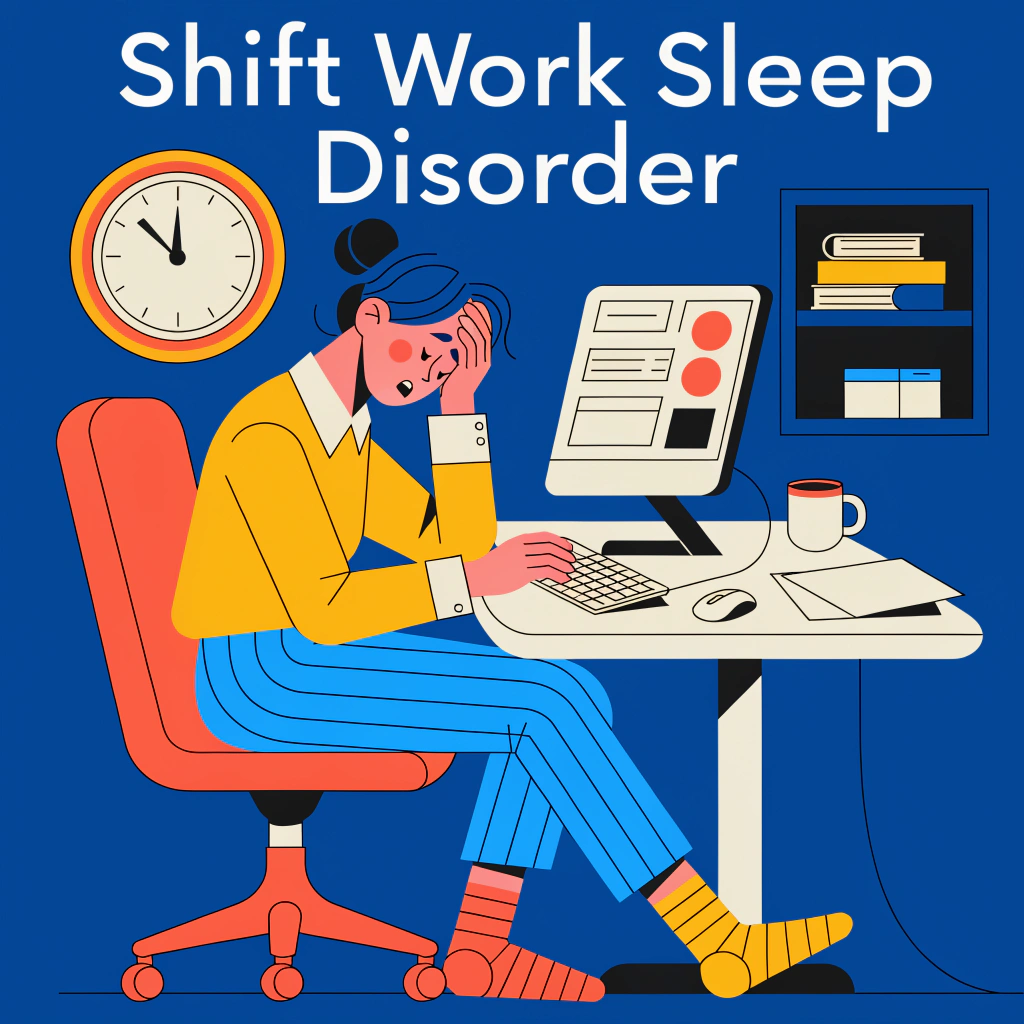
Shift Work Sleep Disorder or shift work sleep disorder is a circadian rhythm sleep disorder that develops when work hours repeatedly conflict with the body’s natural sleep–wake cycle, causing persistent insomnia, excessive sleepiness, or both.
The condition occurs because the body’s internal clock, known as the circadian rhythm, remains synchronized to daylight while a person is required to work during the night or sleep during the day. This mismatch reduces sleep quality and alertness.
The main types of Shift Work Sleep Disorder include:
- Night shift-related SWSD
- Early morning shift-related SWSD
- Rotating shift-related SWSD
The main symptoms include difficulty falling asleep, difficulty staying asleep, excessive sleepiness during work, fatigue, poor concentration, reduced alertness, irritability, and lower work performance.
Common causes include working permanent night shifts, rotating schedules, early morning shifts, frequent schedule changes, and long-term disruption of the body’s circadian rhythm.
Treatment usually combines a consistent sleep schedule, good sleep hygiene, strategic light exposure, planned naps, dietary adjustments, cognitive behavioral therapy for insomnia when appropriate, wake-promoting medicines such as modafinil for selected patients, and melatonin in some cases. Severe or persistent symptoms should be assessed by a healthcare professional.
Modafinil helps by promoting wakefulness through effects on several brain pathways involved in alertness, helping reduce excessive sleepiness during scheduled work shifts. It does not cure Shift Work Sleep Disorder.
In the UK, modafinil is a prescription-only medicine. It is usually supplied after assessment by a qualified healthcare professional and dispensed by a registered pharmacy.
What is Shift Work Sleep Disorder?
Shift Work Sleep Disorder is a sleep disorder in which a person’s work schedule repeatedly conflicts with their biological clock, causing insomnia, excessive sleepiness, or both despite having enough opportunity to sleep.
According to a systematic review and meta-analysis, the overall prevalence of Shift Work Sleep Disorder among shift workers was 26.5%, although estimates vary depending on the diagnostic criteria and the population studied.
According to sleep specialist Dr. Phyllis C. Zee, a leading researcher in circadian medicine, shift work can create a mismatch between the body’s internal clock and required work hours, reducing alertness and making restorative sleep more difficult. This explanation is consistent with her educational talks and interviews available on YouTube and other public platforms.
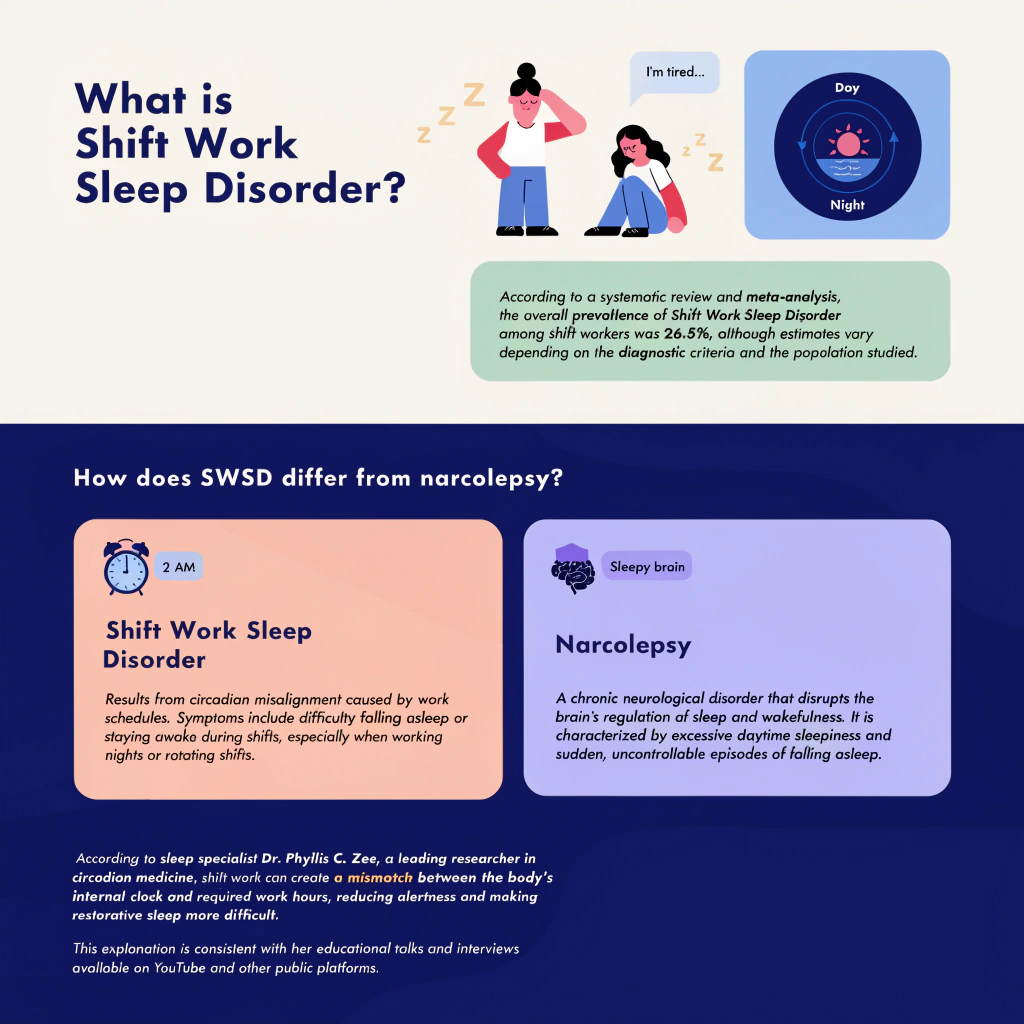
Shift Work Sleep Disorder differs from narcolepsy. Shift Work Sleep Disorder results from circadian misalignment caused by work schedules, while narcolepsy is a chronic neurological disorder that disrupts the brain’s regulation of sleep and wakefulness.
The disorder develops because working during normal sleeping hours disrupts the body’s circadian rhythm, reducing sleep quality and daytime alertness.
Shift Work Sleep Disorder is not contagious. It cannot spread from one person to another.
The condition became formally recognized as a distinct circadian rhythm sleep disorder in modern sleep medicine through the International Classification of Sleep Disorders developed by the American Academy of Sleep Medicine in the 1990s, with updated diagnostic criteria in later editions.
The WHO recognizes the importance of healthy sleep and shift work in occupational health, although diagnostic criteria for Shift Work Sleep Disorder are defined by sleep medicine organizations rather than the WHO.
What is The History of Shift Work Sleep Disorder ?
The history of Shift Work Sleep Disorder dates back over a century, although the medical condition itself was recognized much more recently.
Early civilizations mainly worked according to daylight, so long-term disruption of normal sleep patterns was uncommon. As industrialization expanded during the 18th and 19th centuries, factories, transportation systems, hospitals, and emergency services increasingly required workers to stay awake overnight. Physicians began noticing that many shift workers experienced chronic fatigue, insomnia, and reduced alertness, but these problems were generally considered unavoidable consequences of work rather than a distinct medical disorder.
During the second half of the 20th century, research into circadian biology transformed this understanding. Scientists discovered that the brain contains an internal biological clock that regulates sleep, hormone release, body temperature, and many other daily functions. This research showed that night work can repeatedly disrupt normal circadian timing.
Modern sleep medicine now classifies Shift Work Sleep Disorder as a circadian rhythm sleep disorder with established diagnostic criteria. Today, researchers recognize it as a disorder caused by persistent misalignment between work schedules and the body’s internal clock, rather than simply a normal effect of working at night.
How Does Shift Work Sleep Disorder Work in the Brain?
Shift Work Sleep Disorder works in the brain by disrupting the normal timing of the body’s internal clock, causing a mismatch between the sleep–wake cycle and required working hours.
The underlying mechanism involves the suprachiasmatic nucleus (SCN), a small region of the hypothalamus that acts as the body’s master biological clock. The SCN uses light signals from the eyes to regulate the circadian rhythm. When a person regularly works at night or rotates between different shifts, the SCN remains partly synchronized to the natural light–dark cycle instead of the work schedule. As a result, the brain struggles to promote alertness during work and restorative sleep during the day.
This circadian misalignment also affects the production of hormones such as melatonin and cortisol. Melatonin, which normally increases at night to promote sleep, may remain elevated during overnight work. Cortisol, which helps maintain daytime alertness, may be released at inappropriate times. These changes reduce sleep quality and impair normal brain function.
The effects on the brain include excessive daytime sleepiness, reduced attention, slower reaction time, impaired memory, poorer decision-making, and decreased concentration. The body may also experience persistent fatigue, reduced physical performance, digestive problems, mood changes, and a higher risk of workplace or driving accidents.
The types of Shift Work Sleep Disorder—including night shift-related, early morning shift-related, and rotating shift-related forms—share the same underlying mechanism but differ according to the work schedule causing the circadian disruption.
What are the Types of Shift Work Sleep Disorder?
The types of Shift Work Sleep Disorder include night shift-related Shift Work Sleep Disorder, early morning shift-related Shift Work Sleep Disorder, and rotating shift-related Shift Work Sleep Disorder.
The types of Shift Work Sleep Disorder are listed below.
- Night Shift-Related Shift Work Sleep Disorder: This type affects people who regularly work overnight. Sleeping during daylight hours often becomes difficult because the body’s circadian rhythm remains aligned with daytime activity.
- Early Morning Shift-Related Shift Work Sleep Disorder: This type occurs in people who begin work very early in the morning, often before their normal wake time. The shortened sleep period can lead to chronic sleep loss and excessive daytime sleepiness.
- Rotating Shift-Related Shift Work Sleep Disorder: This type develops in workers whose schedules frequently alternate between day, evening, and night shifts. Repeated schedule changes prevent the circadian rhythm from adapting, resulting in persistent sleep disruption and fatigue.
What are the Symptoms of Shift Work Sleep Disorder?
The symptoms of Shift Work Sleep Disorder include insomnia, excessive sleepiness, fatigue, poor concentration, slower reaction time, memory problems, mood changes, headaches, reduced work performance, and unrefreshing sleep.
The symptoms of Shift Work Sleep Disorder are listed below.
- Difficulty Falling Asleep: Many people struggle to fall asleep after finishing a night or early morning shift because their circadian rhythm still signals the brain to stay awake.
- Difficulty Staying Asleep: Sleep is often interrupted by frequent awakenings during the day, reducing total sleep time and preventing deep, restorative sleep.
- Excessive Sleepiness: Persistent drowsiness during work or daily activities is a hallmark symptom. It increases the risk of errors, injuries, and motor vehicle accidents.
- Persistent Fatigue: People often feel physically and mentally exhausted even after sleeping because the timing of sleep is misaligned with the body’s biological clock.
- Poor Concentration: Circadian disruption can make it difficult to stay focused, complete tasks, follow conversations, or maintain attention during work.
- Slower Reaction Time: Sleep loss and reduced alertness slow the brain’s response to situations, increasing the likelihood of workplace mistakes and accidents.
- Memory Problems: Insufficient or poor-quality sleep may impair short-term memory, making it harder to retain information or recall recent events.
- Reduced Alertness: People may struggle to remain fully awake and attentive, particularly during overnight shifts or the early hours of the morning.
- Irritability: Chronic sleep disruption can affect emotional regulation, causing increased frustration, impatience, or irritability during everyday activities.
- Mood Changes: Some people experience mood swings, low motivation, anxiety, or reduced emotional well-being because of long-term circadian rhythm disruption.
- Reduced Work Performance: Poor sleep can impair decision-making, productivity, accuracy, and overall job performance, especially in occupations requiring sustained attention.
- Frequent Headaches: Irregular sleep schedules and sleep deprivation may contribute to tension-type headaches or make existing headaches occur more frequently.
- Unrefreshing Sleep: People often wake feeling tired despite spending several hours asleep because daytime sleep is usually lighter and more easily interrupted.
- Microsleeps: Microsleeps are brief, involuntary episodes of sleep lasting a few seconds. They commonly occur during monotonous tasks and can be dangerous while driving or operating machinery.
- Digestive Problems: Irregular work and sleep schedules can disrupt normal digestion, leading to symptoms such as indigestion, bloating, stomach discomfort, or changes in bowel habits.
What are the First Signs of Shift Work Sleep Disorder?
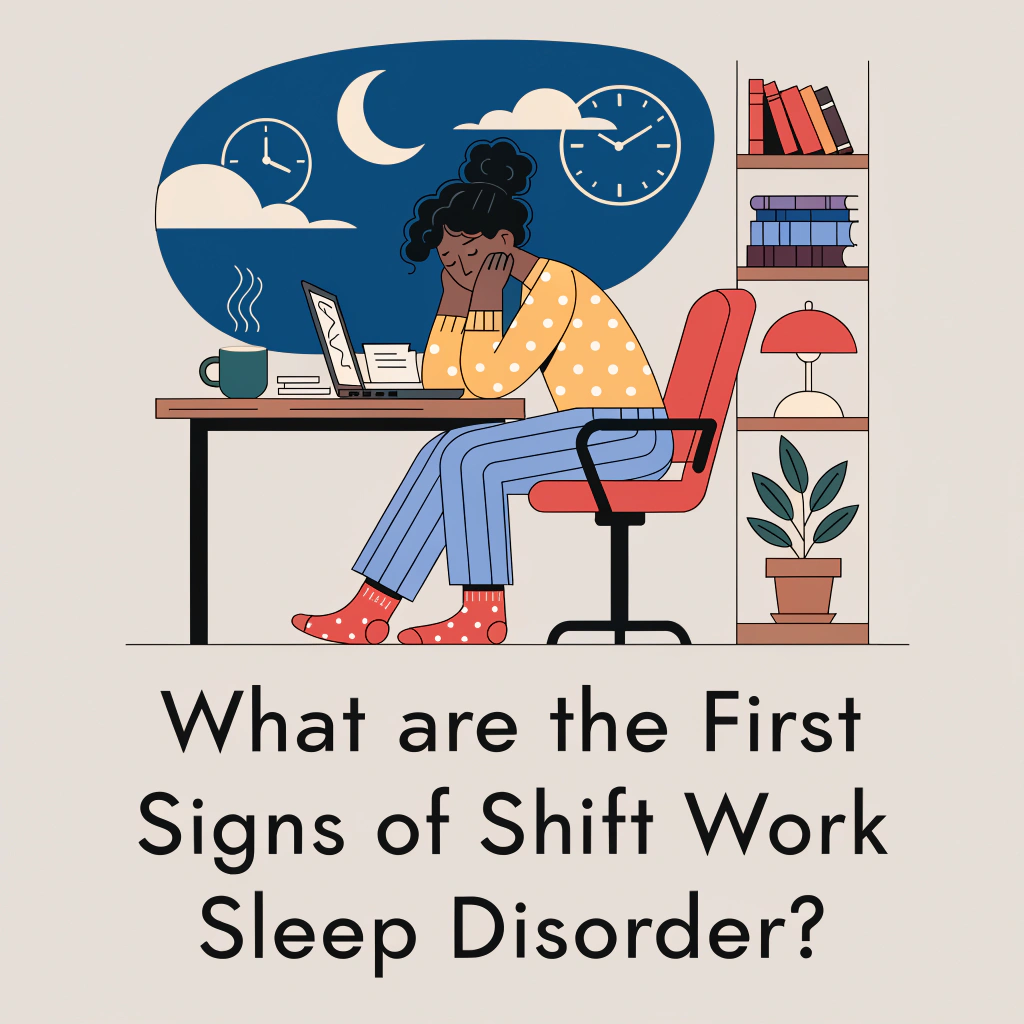
The first signs of Shift Work Sleep Disorder include difficulty falling asleep after work, excessive sleepiness during shifts, persistent fatigue, and reduced alertness.
The earliest symptoms usually appear soon after starting night shifts, rotating shifts, or very early morning schedules. Many people notice that they cannot sleep well during the day even when they are tired. Others find it difficult to stay awake while working, especially during the early morning hours.
Common early symptoms include:
- Difficulty falling asleep after a shift.
- Frequent awakenings during daytime sleep.
- Excessive sleepiness during work.
- Feeling tired despite spending enough time in bed.
- Trouble concentrating on routine tasks.
- Slower thinking and reaction time.
Additional associated features may include irritability, reduced motivation, mild memory problems, headaches, and decreased work performance. Over time, these symptoms can affect a person physically, mentally, and socially if the disrupted sleep schedule continues without effective management.
How Does Shift Work Sleep Disorder Affect a Person?
The ways Shift Work Sleep Disorder affects a person are listed below.
- Sleep quality: Causes shorter, lighter, and less restorative sleep, leading to persistent tiredness.
- Alertness: Reduces daytime alertness and increases excessive sleepiness during work or daily activities.
- Thinking and memory: Impairs concentration, attention, learning, memory, and decision-making.
- Work performance: Increases mistakes, lowers productivity, and reduces overall job performance.
- Safety: Raises the risk of workplace injuries, driving accidents, and errors caused by reduced vigilance.
- Mental health: May contribute to irritability, anxiety, low mood, and emotional stress.
- Physical health: Long-term circadian disruption is associated with increased risks of cardiovascular disease, obesity, and type 2 diabetes.
- Digestive health: Can cause indigestion, bloating, heartburn, or irregular bowel habits due to disrupted eating schedules.
- Social life: Makes it harder to maintain family routines, friendships, and social activities.
- Quality of life: Persistent sleep disruption can reduce overall well-being and daily functioning.
- Pregnancy risks: Sleep disruption during pregnancy has been associated with adverse outcomes in some studies, although individual risk depends on multiple factors and requires medical assessment.
What are the Causes of Shift Work Sleep Disorder?
The causes of Shift Work Sleep Disorder include night shifts, rotating schedules, early morning work, circadian rhythm disruption, light exposure at night, and other factors that interfere with normal sleep.
The causes of Shift Work Sleep Disorder are listed below.
- Night shift work: Working overnight forces people to stay awake when the body naturally expects sleep, disrupting the normal sleep–wake cycle.
- Rotating shift schedules: Frequently changing between day, evening, and night shifts prevents the circadian rhythm from adapting to a consistent routine.
- Early morning shifts: Starting work before the usual waking time reduces total sleep duration and increases sleep deprivation.
- Circadian rhythm misalignment: A mismatch between the body’s internal clock and work schedule is the primary cause of Shift Work Sleep Disorder.
- Exposure to light at night: Artificial light during overnight work suppresses melatonin production, making it harder to fall asleep after a shift.
- Daytime sleep disruption: Noise, sunlight, family activities, and environmental disturbances often interrupt daytime sleep and reduce its quality.
- Irregular sleep schedules: Sleeping and waking at different times throughout the week prevents the body from maintaining a stable biological rhythm.
- Long working hours: Extended shifts leave less time for adequate sleep, recovery, and physical restoration between work periods.
- Frequent schedule changes: Rapid changes in work hours do not allow the internal body clock enough time to adjust to new sleep patterns.
- Individual biological factors: Age, chronotype, genetics, and existing sleep disorders may increase a person’s susceptibility to developing Shift Work Sleep Disorder.
This bullet-and-colon format is generally easier to scan, improves readability, and aligns well with semantic SEO best practices.
How to Diagnose Shift Work Sleep Disorder?
The main ways to diagnose Shift Work Sleep Disorder are listed below.
- Medical history: Reviews work schedule, sleep habits, symptoms, medications, and overall health to identify circadian-related sleep problems.
- Sleep history: Evaluates bedtime, wake time, sleep duration, and sleep quality on both workdays and days off.
- Sleep diary: Records sleep patterns for at least one to two weeks to identify disrupted sleep–wake schedules.
- Actigraphy: Uses a wrist-worn device to measure sleep and activity patterns over several days or weeks.
- Physical examination: Identifies medical conditions that may contribute to excessive sleepiness or insomnia.
- Sleep questionnaires: Standardized questionnaires assess daytime sleepiness, fatigue, insomnia severity, and the impact on daily functioning.
- Polysomnography: An overnight sleep study helps exclude other sleep disorders when the diagnosis is uncertain.
- Multiple Sleep Latency Test (MSLT): Measures daytime sleepiness when disorders such as narcolepsy are suspected.
- Cardiac rhythm evaluation: May be performed when symptoms suggest an underlying heart condition rather than a sleep disorder.
- Assessment of work schedule: Evaluates shift timing, rotation frequency, and duration to determine whether symptoms are linked to shift work.
Diagnosing Shift Work Sleep Disorder accurately helps healthcare professionals select appropriate treatment strategies instead of simply focusing on curing Shift Work Sleep Disorder, which typically requires long-term management rather than a single curative treatment.
Can Shift Work Sleep Disorder Be Cured?
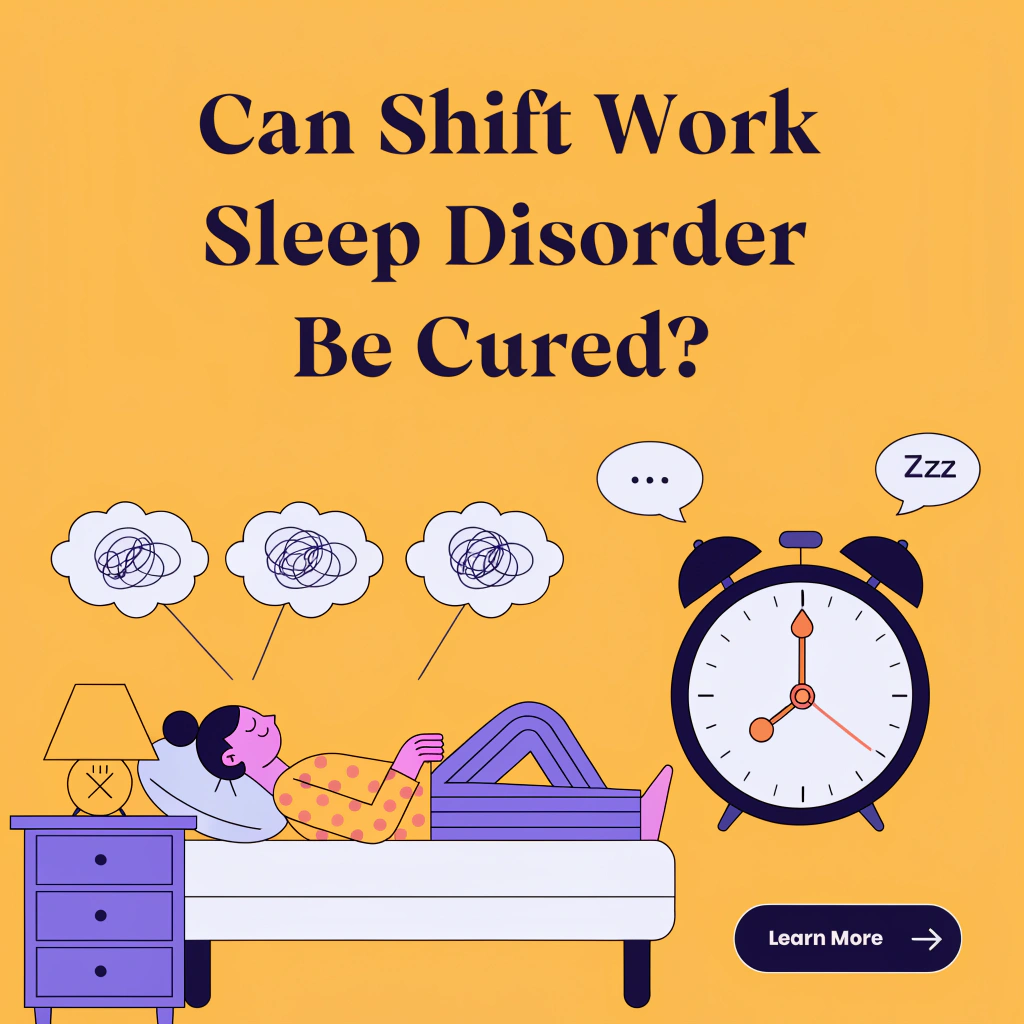
No, Shift Work Sleep Disorder cannot be cured instantly as there is no universal cure, but it is highly treatable with appropriate lifestyle changes, workplace adjustments, and medical management.
Many people achieve significant improvement by maintaining a consistent sleep schedule, optimizing sleep hygiene, using timed light exposure, taking planned naps, and, when appropriate, using prescribed medications such as wake-promoting agents or melatonin.
Research published in the American Academy of Sleep Medicine practice parameters found that interventions such as scheduled sleep, bright light therapy, melatonin, and wake-promoting medications can significantly improve alertness and sleep in many people with Shift Work Sleep Disorder, although response varies between individuals. No single treatment is effective for everyone.
A functional recovery is possible in some situations. Symptoms may resolve when a person permanently returns to regular daytime work, retires from shift work, or adopts a stable schedule that allows the circadian rhythm to realign. Unlike some chronic neurological disorders, Shift Work Sleep Disorder often improves substantially when the underlying cause—misaligned work hours—is removed.
What are the Treatment Options of Shift Work Sleep Disorder?
The treatment options of Shift Work Sleep Disorder involve improving sleep habits, adjusting circadian rhythm, managing work schedules, and using medications when clinically appropriate.
The treatments of Shift Work Sleep Disorder are listed below.
- Sleep hygiene: Maintaining a consistent sleep schedule, creating a dark and quiet bedroom, and avoiding caffeine before sleep improve sleep quality.
- Strategic light therapy: Timed exposure to bright light helps adjust the body’s circadian rhythm and improves alertness during work.
- Light avoidance after work: Wearing dark sunglasses and limiting morning light exposure can help promote daytime sleep after night shifts.
- Planned naps: Short naps before or during shifts may reduce sleepiness and improve performance.
- Work schedule adjustments: Limiting consecutive night shifts and using predictable schedules help reduce circadian disruption.
- Healthy diet: Eating balanced meals at regular times and avoiding heavy meals before sleep may support better sleep and overall health.
- Regular physical activity: Routine exercise can improve sleep quality, although vigorous activity should be avoided close to bedtime.
- Melatonin: Prescribed or clinician-recommended melatonin may help some people fall asleep during the daytime.
- Wake-promoting medications: Medicines such as modafinil or armodafinil may reduce excessive sleepiness in carefully selected patients.
- Treatment of underlying sleep disorders: Conditions such as obstructive sleep apnea or restless legs syndrome should be identified and treated when present.
- Behavioral therapy: Cognitive behavioral therapy for insomnia (CBT-I) may help people with persistent insomnia alongside shift work.
- Occupational support: Employers may reduce symptoms by optimizing shift rotations, providing adequate rest periods, and minimizing excessive overnight work.
What Are the Best Medications for Shift Work Sleep Disorder?
The best medications for Shift Work Sleep Disorder include modafinil, armodafinil, melatonin, and, in selected cases, short-term sleep-promoting medications prescribed by a healthcare professional.
The medications for Shift Work Sleep Disorder are listed below.
- Modafinil: Modafinil is a prescription wake-promoting medicine that improves alertness during scheduled work hours in adults with excessive sleepiness caused by Shift Work Sleep Disorder.
- Armodafinil: Armodafinil is the longer-lasting R-enantiomer of modafinil. It helps maintain wakefulness during work shifts and is prescribed in some countries.
- Melatonin: Melatonin is a hormone supplement that may help some shift workers fall asleep during the daytime by supporting the body’s natural sleep–wake cycle.
- Short-term hypnotics: Prescription sleep medicines may occasionally be used for short periods to improve daytime sleep when clinically appropriate. They are not suitable for long-term routine use.
Medication is usually combined with lifestyle measures such as improving sleep hygiene, optimizing shift schedules, and strategic light exposure for the best results. Among these medicines, modafinil has the strongest evidence for improving wakefulness in people with excessive sleepiness associated with Shift Work Sleep Disorder.
How Does Modafinil Work on Shift Work Sleep Disorder and Narcolepsy?
Modafinil works on Shift Work Sleep Disorder and narcolepsy by increasing wakefulness through effects on brain pathways that regulate alertness, attention, and the sleep–wake cycle.
Although its exact mechanism is not fully understood, modafinil increases the activity of several neurotransmitter systems, including dopamine, norepinephrine, histamine, and orexin-related pathways. These effects help the brain remain awake and improve alertness without acting like traditional stimulant medications.
Its primary use is to reduce excessive daytime sleepiness in adults with Shift Work Sleep Disorder, narcolepsy, and obstructive sleep apnea with residual sleepiness. It is typically taken before a scheduled work shift for Shift Work Sleep Disorder. Modafinil improves wakefulness but does not correct the underlying circadian rhythm disruption or cure the disorder.
How to Purchase Quality Modafinil in the UK?
The common ways to purchase quality modafinil in the United Kingdom are listed below.
- Obtain a prescription: Requires a valid prescription from a licensed healthcare professional. Modafinil is a prescription medicine and should be always prescribed instead of self using.
- Use a registered pharmacy: Buy only from pharmacies registered with the UK’s General Pharmaceutical Council.
- Verify the supplier: Check that the pharmacy is properly licensed and displays legitimate regulatory information.
- Avoid counterfeit products: Do not purchase medicines from unverified websites or social media sellers.
- Check the packaging: Ensure the packaging includes the correct manufacturer, batch number, and expiry date.
- Seek professional advice: Consult a healthcare professional if you have questions about safety or appropriate use.
How Does We at Modafinil UK Help with Modafinil?
We help readers by providing trusted information, practical guidance, educational resources, and advice on identifying authentic and counterfeit modafinil products while promoting safe and informed medicine use. At Modafinil UK, Our goal is to help readers better understand the conditions modafinil can treat, including the different types of Disorders, symptoms and causes, and the role that modafinil may play when prescribed by a qualified healthcare professional.
We also explain:
- How modafinil works and when it may be prescribed.
- Who may be suitable for modafinil treatment.
- Possible side effects, precautions, and medicine interactions.
- How to recognize legitimate medicines and avoid counterfeit products.
- The importance of obtaining prescription medicines through regulated UK pharmacies.
Our content is designed for educational purposes only and should not replace professional medical advice, diagnosis, or treatment.
Rmember that, modafinil is a prescription-only medicine (POM) regulated under the Human Medicines Regulations 2012. It is not classified as a controlled drug under the Misuse of Drugs Act 1971 or the Misuse of Drugs Regulations 2001, but it must be supplied by a registered pharmacy on the prescription of an appropriately qualified prescriber.
This article was clinically reviewed on 03 Aug 2026.