
Narcolepsy is a long-term neurological sleep disorder that disrupts the brain’s ability to regulate normal sleep and wakefulness, causing overwhelming daytime sleepiness and sudden episodes of sleep. It is broadly classified into Type 1 narcolepsy, which involves cataplexy or low hypocretin levels, and Type 2 narcolepsy, which occurs without cataplexy. The condition commonly causes excessive daytime sleepiness, sudden sleep attacks, fragmented nighttime sleep, sleep paralysis, vivid dream-like hallucinations, and difficulty staying alert during routine activities.
Although the exact cause is not always known, narcolepsy is linked to the loss of hypocretin-producing nerve cells, genetic susceptibility, autoimmune mechanisms, and, in some people, brain injury or neurological disease. Treatment usually combines lifestyle adjustments, scheduled naps, medicines that promote wakefulness, and therapies that improve nighttime sleep or control cataplexy.
Modafinil works by increasing wakefulness through brain pathways involved in alertness, helping many people remain awake during the day without treating the underlying cause of narcolepsy. In the United Kingdom, modafinil is available only as a Prescription Only Medicine (POM) and is supplied by licensed pharmacies following assessment by an authorised healthcare professional.
What Is Narcolepsy?
Narcolepsy is a chronic neurological disorder in which the brain cannot properly regulate the sleep-wake cycle, leading to excessive daytime sleepiness, sudden sleep episodes, and disturbed nighttime sleep.
According to population studies, narcolepsy affects approximately 25 to 50 people per 100,000 worldwide, while Type 1 narcolepsy accounts for around 70% of diagnosed cases. Because its symptoms often resemble other sleep disorders, diagnosis may be delayed by several years in many patients.
According to sleep neurologist Dr Emmanuel Mignot, narcolepsy is not caused by laziness or a lack of motivation. It is a neurological disorder in which the brain loses its normal ability to maintain stable wakefulness because of changes in hypocretin-producing neurons.
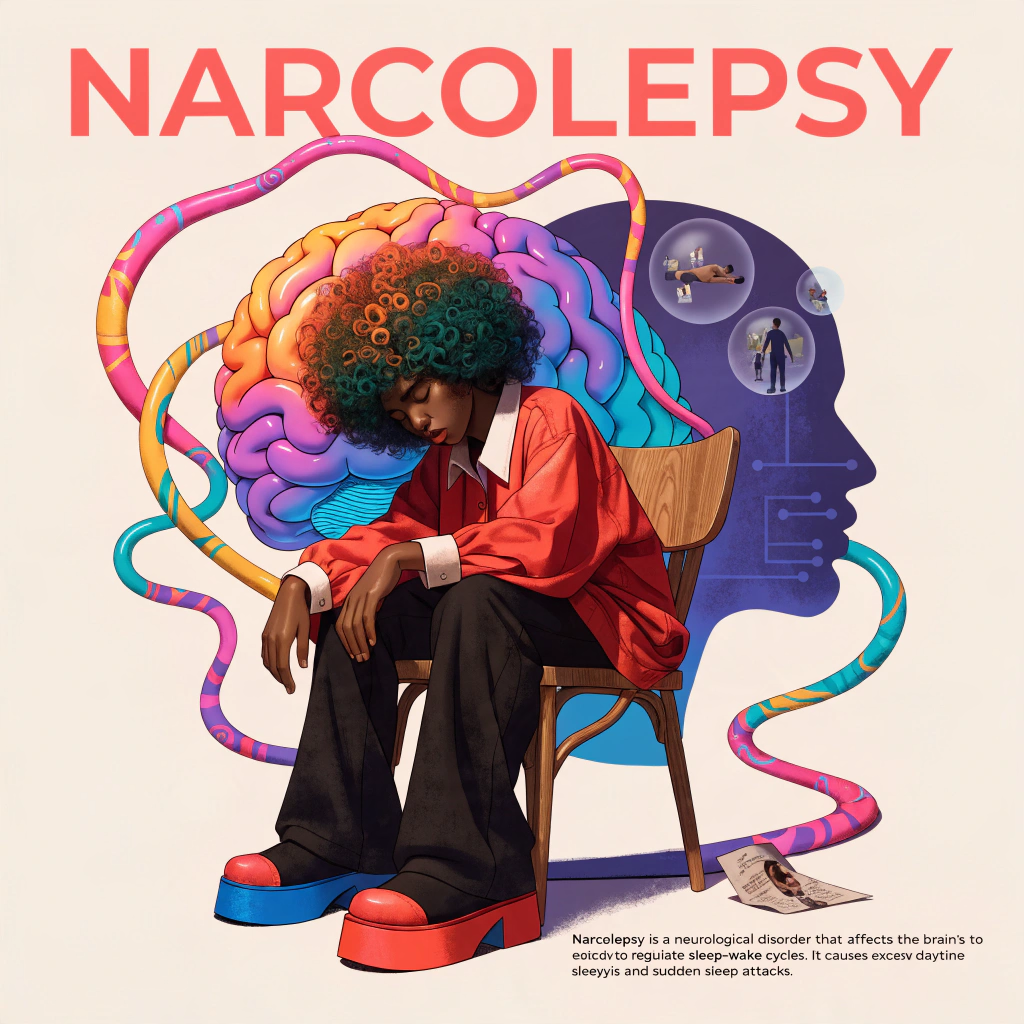
Narcolepsy differs from hypersomnia in several important ways. People with hypersomnia experience prolonged sleepiness but usually do not develop cataplexy, sleep paralysis, or vivid dream-related hallucinations. In narcolepsy, the brain enters rapid eye movement (REM) sleep abnormally quickly, allowing features of dreaming sleep to occur while a person is awake.
Scientists believe that most people with Type 1 narcolepsy lose specialised nerve cells that produce hypocretin (orexin), a neurochemical that stabilises wakefulness and prevents unwanted transitions into REM sleep. The condition is not contagious, cannot spread from one person to another, and develops because of neurological rather than infectious processes.
The disorder was first formally described by French physician Jean-Baptiste-Édouard Gélineau in 1880, who introduced the term narcolepsy after observing patients with repeated uncontrollable sleep attacks. Today, the World Health Organization (WHO) recognises narcolepsy as a chronic neurological disease within the International Classification of Diseases (ICD), reflecting decades of scientific advances in sleep medicine.
What Is the History of Narcolepsy?
The history of narcolepsy dates back over a century, although unusual episodes of sudden sleep and unexplained weakness were described long before the condition received its modern medical name. Early societies often viewed these events through religious, philosophical, or supernatural beliefs because little was known about how the brain controlled sleep.
Historical records from ancient Greece and Rome include descriptions of people who unexpectedly fell asleep during daily activities. While these accounts cannot be confirmed as narcolepsy, they suggest that disorders affecting wakefulness have existed throughout human history.
A major turning point came in 1880, when French physician Jean-Baptiste-Édouard Gélineau published detailed observations of patients experiencing repeated sleep attacks and introduced the term narcolepsy. His work established the condition as a distinct neurological disorder rather than a behavioural or psychological problem.
During the twentieth century, researchers recognised that many people with narcolepsy also experienced cataplexy, a sudden loss of muscle tone triggered by strong emotions. This discovery helped doctors distinguish narcolepsy from epilepsy, fainting disorders, and other neurological conditions with similar symptoms.
Scientific understanding advanced rapidly in the late 1990s after researchers identified hypocretin (orexin), a neurotransmitter responsible for maintaining wakefulness. They discovered that most people with Type 1 narcolepsy have a profound loss of hypocretin-producing neurons within the hypothalamus. This finding transformed the understanding of narcolepsy from a poorly understood sleep disorder into a well-defined neurological disease involving specific brain pathways.
Today, sleep specialists diagnose narcolepsy using detailed clinical assessment, overnight sleep studies, the Multiple Sleep Latency Test (MSLT), and, in selected cases, cerebrospinal fluid hypocretin measurements. Ongoing research continues to explore autoimmune mechanisms, genetic risk factors, and new therapies that may improve long-term outcomes for people living with this lifelong condition.
How Does the Brain Work When Affected with Narcolepsy?
The brain works differently in people with narcolepsy because it loses its ability to maintain a stable balance between wakefulness and sleep. Instead of keeping these two states separate, the brain switches between them at inappropriate times, allowing features of rapid eye movement (REM) sleep to appear while a person is awake.
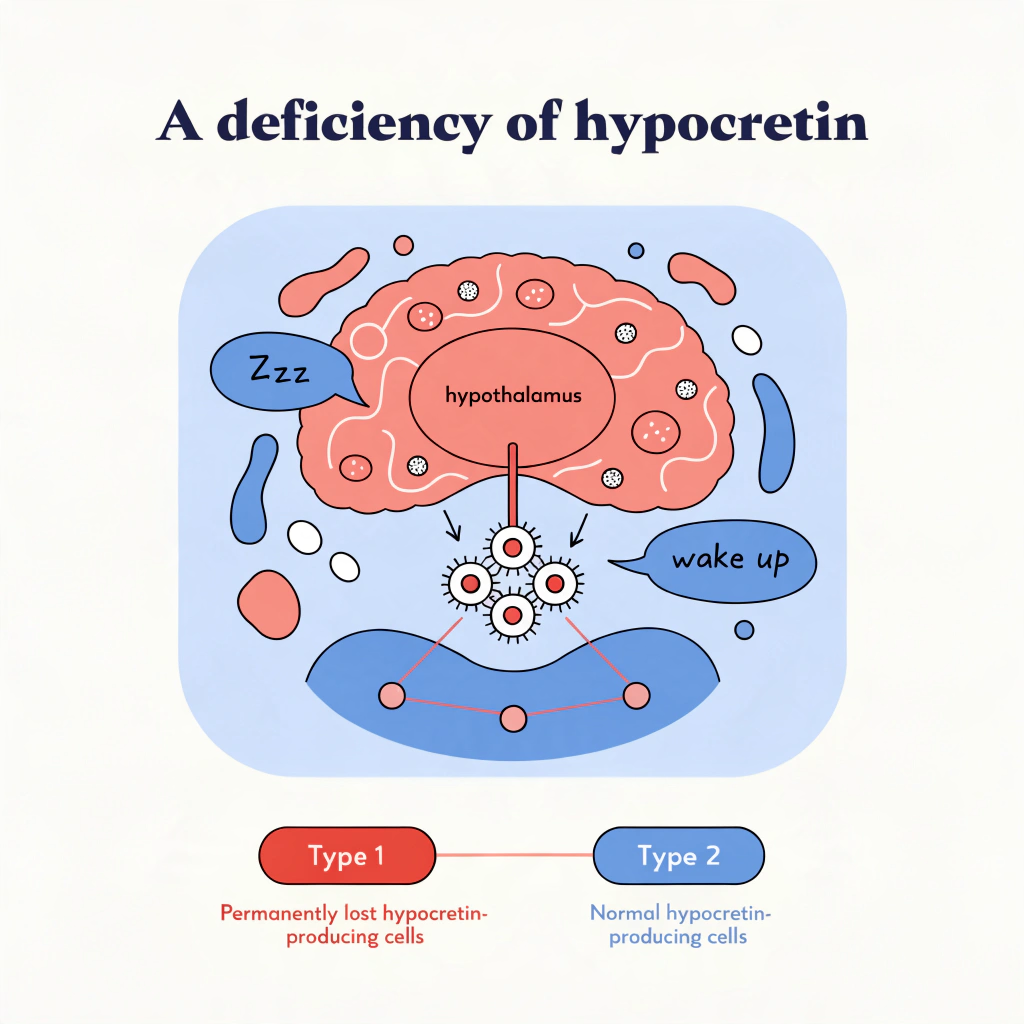
The underlying mechanism involves a deficiency of hypocretin (orexin), a neurotransmitter produced in the hypothalamus. Hypocretin normally acts as the brain’s “wakefulness stabiliser.” It keeps a person alert during the day and prevents REM sleep from occurring until the appropriate stage of the sleep cycle. In most people with Type 1 narcolepsy, the cells that produce hypocretin are permanently lost, most likely because of an autoimmune process. People with Type 2 narcolepsy usually have normal hypocretin levels, although the exact cause is still being investigated.
As hypocretin signalling weakens, the brain cannot maintain consistent wakefulness. This causes overwhelming daytime sleepiness, sudden sleep attacks, fragmented night-time sleep, and difficulty concentrating. Because REM sleep is no longer properly controlled, dreaming can begin almost immediately after falling asleep. REM-related muscle paralysis may also occur while a person is awake, leading to sleep paralysis and vivid hallucinations. In Type 1 narcolepsy, emotions such as laughter, surprise, or excitement may trigger cataplexy, causing temporary muscle weakness while consciousness remains fully intact.
Although the types of narcolepsy differ in their underlying biology, both disrupt the brain’s normal sleep-wake regulation. Rather than affecting intelligence or memory directly, the condition reduces the brain’s ability to remain consistently alert, making everyday activities such as studying, driving, or working much more challenging.
What Are the Types of Narcolepsy and Hypersomnia?
The types of narcolepsy and hypersomnia include several neurological sleep disorders that cause excessive daytime sleepiness but differ in their causes, symptoms, and diagnostic features.
The types of narcolepsy and hypersomnia are listed below.
- Type 1 Narcolepsy (Narcolepsy with Cataplexy): Type 1 narcolepsy is the most recognised form of the disorder. It is characterised by excessive daytime sleepiness together with cataplexy or confirmed low hypocretin levels. Most patients lose hypocretin-producing neurons, making it difficult for the brain to maintain stable wakefulness.
- Type 2 Narcolepsy (Narcolepsy without Cataplexy): Type 2 narcolepsy causes persistent daytime sleepiness without cataplexy. People often experience sleep attacks, disturbed night-time sleep, and REM-related symptoms, although hypocretin levels are usually normal. Its exact cause remains unclear.
- Idiopathic Hypersomnia: Idiopathic hypersomnia is a separate neurological sleep disorder rather than a type of narcolepsy. Patients experience prolonged daytime sleepiness despite adequate sleep, but they do not develop cataplexy or the characteristic REM sleep abnormalities seen in narcolepsy. Many also struggle with severe sleep inertia, making it difficult to wake up.
- Secondary Hypersomnia: Secondary hypersomnia develops because of another medical condition affecting the brain or body. Common causes include traumatic brain injury, Parkinson’s disease, multiple sclerosis, brain tumours, stroke, certain medicines, and untreated sleep disorders.
- Recurrent Hypersomnia: This rare condition causes repeated episodes of extreme sleepiness lasting days or weeks, separated by periods of normal functioning. Kleine-Levin syndrome is the best-known example and may also involve behavioural and cognitive changes during episodes.
Although these disorders share excessive daytime sleepiness as a common symptom, they arise through different biological mechanisms and require different approaches to diagnosis and treatment. Sleep specialists usually distinguish them using a detailed clinical history, overnight polysomnography, the Multiple Sleep Latency Test (MSLT), and, when appropriate, hypocretin testing or additional neurological investigations.
What Are the Symptoms of Narcolepsy?
The symptoms of narcolepsy include excessive daytime sleepiness, sudden sleep attacks, cataplexy, sleep paralysis, hallucinations, disturbed nighttime sleep, and problems with memory and concentration.
The symptoms of narcolepsy are listed below.
- Excessive daytime sleepiness
- Sudden sleep attacks
- Cataplexy (in Type 1 narcolepsy)
- Sleep paralysis
- Hypnagogic and hypnopompic hallucinations
- Fragmented nighttime sleep
- Automatic behaviours
- Poor concentration
- Memory difficulties
- Brain fog
- Reduced attention span
- Fatigue despite sleeping
- Emotional distress
- Difficulty performing daily activities
What Are the First Signs of Narcolepsy?
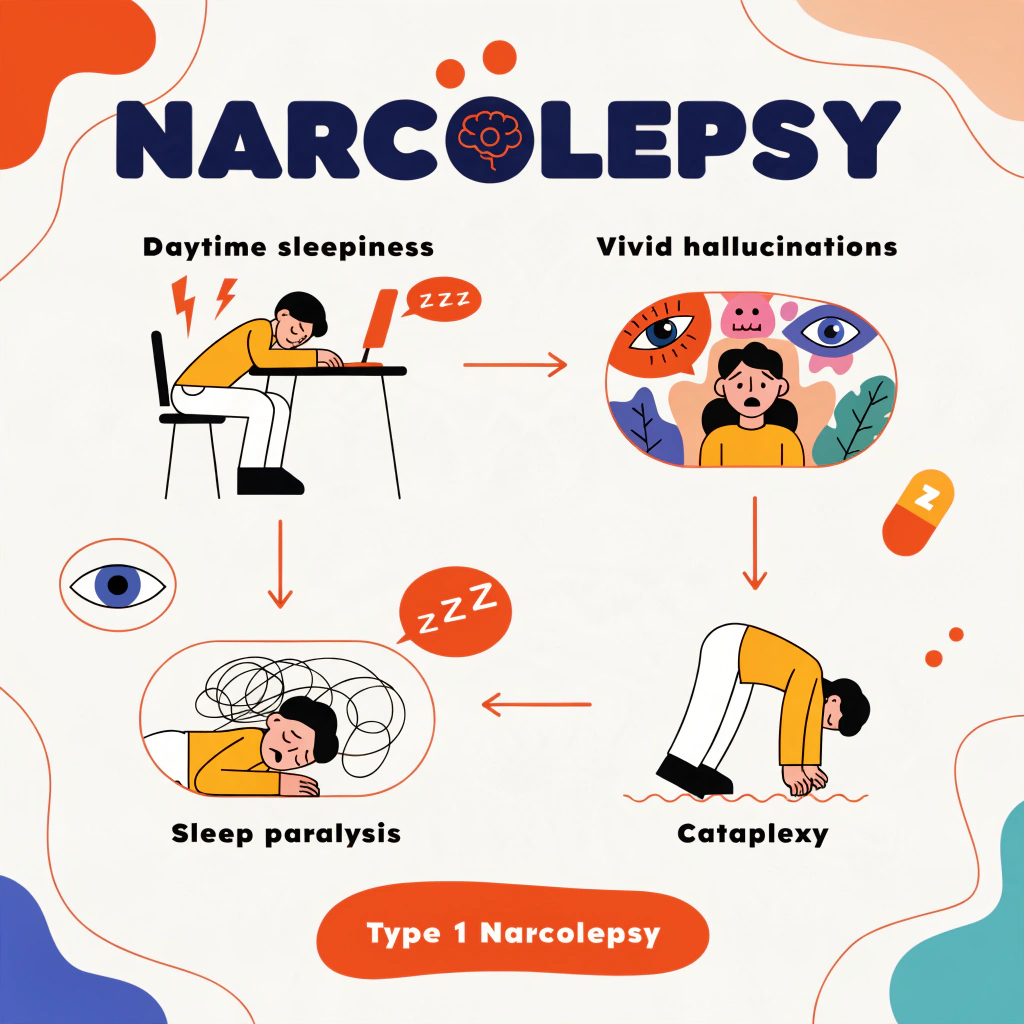
The first signs of narcolepsy include persistent excessive daytime sleepiness, an overwhelming urge to fall asleep during quiet activities, difficulty staying alert, and waking up feeling unrefreshed despite sleeping through the night.
Many people initially notice that they struggle to stay awake while reading, watching television, attending meetings, travelling, or sitting quietly. These episodes gradually become more frequent and may begin to affect a person at school, work, or while driving.
As the condition progresses, additional features may develop. Some people experience vivid dream-like hallucinations when falling asleep or waking up, temporary sleep paralysis, fragmented nighttime sleep, and, in Type 1 narcolepsy, sudden muscle weakness known as cataplexy after laughter, excitement, or other strong emotions. Because these symptoms often appear gradually, many people live with narcolepsy for several years before receiving the correct diagnosis.
How Does Narcolepsy Affect a Person?
The ways narcolepsy affects a person are listed below.
- Daily Activities: Sudden sleep episodes interrupt routine tasks, studying, driving, and household responsibilities.
- Work Performance: Persistent sleepiness reduces productivity, concentration, and the ability to complete complex tasks safely.
- Education: Students may struggle to remain attentive during lessons, affecting learning and academic achievement.
- Memory and Thinking: Brain fog and reduced attention make remembering information and making decisions more difficult.
- Emotional Well-being: Living with unpredictable symptoms may increase stress, frustration, anxiety, or low mood.
- Social Life: People may avoid social events because of embarrassment, fatigue, or fear of sudden sleep attacks.
- Physical Safety: Sleep attacks and cataplexy increase the risk of falls, workplace accidents, and road traffic collisions.
- Nighttime Sleep: Frequent awakenings reduce sleep quality, leading to tiredness despite spending enough time in bed.
- Relationships: Family members and friends may misunderstand symptoms until the condition is properly diagnosed.
- Quality of Life: Without effective treatment, narcolepsy can affect independence, confidence, employment, and overall well-being.
What Are the Causes of Narcolepsy?
The causes of narcolepsy include autoimmune changes, loss of hypocretin-producing brain cells, genetic susceptibility, neurological injury, and, in some cases, unknown biological factors.
The causes of narcolepsy are listed below.
- Autoimmune destruction of hypocretin (orexin) producing neurons
- Genetic predisposition
- Low hypocretin (orexin) levels
- Family history of narcolepsy
- Brain injury affecting the hypothalamus
- Brain tumours involving sleep-regulating centres
- Multiple sclerosis and other neurological disorders
- Stroke affecting sleep pathways
- Rare infections affecting the central nervous system
- Immune responses following certain viral illnesses
- Hormonal and neurological changes affecting sleep regulation
- Unknown (idiopathic) causes, particularly in Type 2 narcolepsy
Narcolepsy often develops through a combination of biological and genetic factors rather than a single cause. In people with Type 1 narcolepsy, researchers believe an autoimmune response mistakenly destroys neurons that produce hypocretin (orexin), the neurotransmitter responsible for maintaining stable wakefulness. This loss disrupts the normal sleep-wake cycle and allows REM sleep to occur at inappropriate times.
What Triggers Hypersomnia?
The common triggers of a hypersomnia are listed below.
- Sleep Deprivation: Consistently inadequate sleep increases excessive daytime sleepiness and worsens existing hypersomnia.
- Irregular Sleep Schedule: Frequent changes in sleeping patterns disrupt the body’s natural circadian rhythm.
- Neurological Disorders: Conditions such as Parkinson’s disease, multiple sclerosis, and brain injury may trigger hypersomnia.
- Sleep Disorders: Obstructive sleep apnoea and other untreated sleep disorders commonly cause persistent daytime sleepiness.
- Certain Medications: Sedatives, opioid pain medicines, antihistamines, and some antidepressants can increase daytime drowsiness.
- Alcohol and Recreational Drugs: These substances disturb normal sleep quality and may worsen hypersomnia symptoms.
- Depression and Other Mental Health Conditions: Mood disorders frequently contribute to prolonged daytime fatigue and excessive sleepiness.
- Metabolic and Hormonal Disorders: Hypothyroidism and other medical conditions can reduce alertness throughout the day.
- Chronic Illness: Ongoing medical conditions may reduce energy levels and increase the need for sleep.
- Unknown Causes: Some people develop idiopathic hypersomnia without an identifiable underlying trigger.
How to Diagnose Narcolepsy?
The main ways to diagnose narcolepsy are listed below.
- Medical History: Doctors review symptoms, sleep habits, family history, and factors suggesting narcolepsy or other sleep disorders.
- Physical Examination: Helps identify medical conditions that may explain excessive daytime sleepiness.
- Sleep Diary: Records sleeping patterns, naps, and symptoms over one to two weeks.
- Epworth Sleepiness Scale: Measures the severity of daytime sleepiness using a validated clinical questionnaire.
- Overnight Polysomnography (Sleep Study): Monitors brain activity, breathing, heart rate, muscle movement, and sleep stages overnight.
- Multiple Sleep Latency Test (MSLT): Measures how quickly a person falls asleep and enters REM sleep during scheduled daytime naps.
- Hypocretin (Orexin) Testing: Cerebrospinal fluid analysis confirms low hypocretin levels in selected patients.
- Brain Imaging: MRI may rule out structural brain disorders affecting sleep regulation.
- Blood Tests: Help exclude metabolic, hormonal, or infectious conditions causing similar symptoms.
Diagnosing narcolepsy accurately is essential because treatment depends on identifying the underlying sleep disorder rather than simply treating tiredness. Although curing narcolepsy is not currently possible, an early diagnosis allows patients to receive effective treatments that improve wakefulness, reduce symptoms, and enhance long-term quality of life.
Can Narcolepsy Be Cured?
Narcolepsy cannot be cured instantly as there is no universal cure, but it is one of the most manageable neurological sleep disorders when diagnosed early and treated appropriately. Most people can achieve significant symptom control through medication, healthy sleep habits, and regular follow-up with a sleep specialist.
Research published by the American Academy of Sleep Medicine (AASM) and findings from long-term clinical studies show that around 70–90% of people with narcolepsy experience meaningful improvement in daytime sleepiness and daily functioning when treatment is tailored to their symptoms. While treatment does not restore lost hypocretin-producing neurons, it can greatly improve quality of life and help many people return to work, education, and normal daily activities.
A functional cure is possible in the sense that some individuals become almost symptom-free for long periods. This usually occurs when symptoms are mild, medicines remain effective, sleep schedules are well managed, and lifestyle adjustments such as planned naps and good sleep hygiene are followed consistently. Although the underlying neurological condition remains, many patients reach a point where narcolepsy has very little impact on everyday life.
Current research is also exploring hypocretin replacement therapies, gene-based treatments, stem cell approaches, and immune-targeted medicines, which may offer more disease-specific treatments in the future.
What Are the Treatment Options of Narcolepsy?
The treatment options of narcolepsy involve medicines that improve wakefulness or control cataplexy, together with behavioural strategies, lifestyle changes, and long-term specialist care.
The treatments of narcolepsy are listed below.
- Wakefulness-Promoting Medicines
- Central Nervous System Stimulants
- Medicines for Cataplexy
- Scheduled Daytime Naps
- Healthy Sleep Routine
- Lifestyle Adjustments
- Psychological Support
- Education and Occupational Support
- Treatment of Coexisting Sleep Disorders
- Regular Follow-up with a Sleep Specialist
Successful treatment usually combines several of these approaches rather than relying on one medicine alone. The exact treatment plan depends on symptom severity, the presence of cataplexy, age, occupation, other medical conditions, and the person’s response to previous therapies.
Is Seeing a Doctor Necessary Before Taking Narcolepsy Medications?
Yes, seeing a doctor is necessary before taking narcolepsy medications because excessive daytime sleepiness has many possible causes, and the correct treatment depends on an accurate diagnosis. Medicines used for narcolepsy affect the central nervous system and should only be started after a thorough medical assessment.
Before prescribing treatment, the doctor reviews your medical history, current symptoms, sleep habits, existing medical conditions, family history, and all medicines you currently take. They also rule out underlying causes of excessive sleepiness such as obstructive sleep apnoea, idiopathic hypersomnia, thyroid disorders, depression, medication-related drowsiness, and other neurological conditions.
Specialists often request investigations such as overnight polysomnography, the Multiple Sleep Latency Test (MSLT), blood tests, or additional neurological assessments before confirming the diagnosis. Once treatment begins, they monitor symptom improvement, blood pressure, heart rate, sleep quality, potential side effects, and medicine effectiveness during regular follow-up appointments.
Medical supervision also allows treatment to be adjusted over time, ensuring that medicines remain safe, effective, and appropriate as symptoms or health conditions change.
What Are the Best Medications for Narcolepsy?
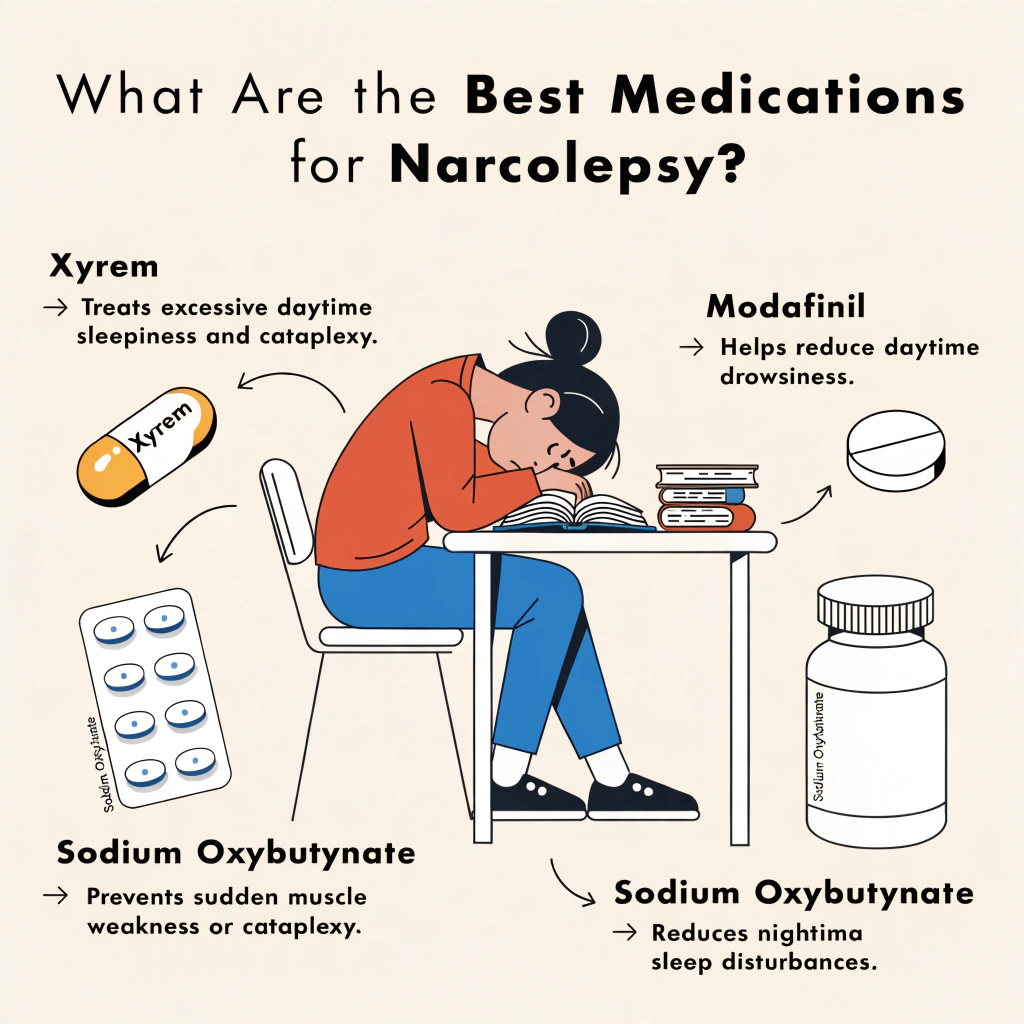
The best medications for narcolepsy include wakefulness-promoting medicines, central nervous system stimulants, and medicines that improve cataplexy or disturbed nighttime sleep.
The medications for narcolepsy are listed below.
- Modafinil: Modafinil is a first-line wakefulness-promoting medicine that improves daytime alertness and reduces excessive sleepiness in many people with narcolepsy.
- Armodafinil: Armodafinil is the longer-acting active isomer of modafinil that provides sustained wakefulness throughout the day in selected patients.
- Solriamfetol: Solriamfetol is a dopamine and norepinephrine reuptake inhibitor that improves excessive daytime sleepiness associated with narcolepsy.
- Pitolisant: Pitolisant is a histamine H3 receptor antagonist that promotes wakefulness and may also reduce cataplexy in some patients.
- Methylphenidate: Methylphenidate is a central nervous system stimulant prescribed when additional improvement in daytime alertness is required.
- Dexamfetamine: Dexamfetamine is a stimulant medicine that increases brain activity to improve wakefulness in selected patients.
- Sodium Oxybate: Sodium oxybate improves nighttime sleep quality while reducing daytime sleepiness and cataplexy in appropriate patients.
- Low-Sodium Oxybate: This newer formulation provides similar clinical benefits with a lower sodium content for suitable individuals.
- Certain Antidepressants: Selected antidepressants may reduce cataplexy, sleep paralysis, and REM-related hallucinations even though they are not primary wakefulness medicines.
Treatment is individualised because symptom severity, age, coexisting conditions, and the presence of cataplexy all influence medicine selection. In the UK, sleep specialists follow NICE guidance, the British National Formulary (BNF), and MHRA recommendations when choosing therapy.
How Modafinil Works on Narcolepsy and Hypersomnia?
Modafinil works on narcolepsy and hypersomnia by increasing activity within the brain’s wakefulness networks, helping people remain alert for longer during the day without directly treating the underlying neurological condition.
Inside the brain, modafinil blocks dopamine transporters, allowing dopamine to remain active for longer between nerve cells. It also influences other neurotransmitter systems involved in maintaining wakefulness, including orexin (hypocretin), histamine, norepinephrine, and glutamate, while reducing signals that promote sleep. Together, these actions strengthen the brain’s ability to stay awake and resist unintended transitions into sleep.
Its primary use is to improve excessive daytime sleepiness in people with narcolepsy. It is also prescribed for residual daytime sleepiness associated with obstructive sleep apnoea and shift work sleep disorder in appropriate patients. Modafinil improves wakefulness and daily functioning, but it does not cure narcolepsy or hypersomnia, which is why it is usually combined with healthy sleep routines and ongoing specialist care.
How to Purchase Quality Modafinil in the UK?
The common ways to purchase quality modafinil in the United Kingdom are listed below.
- Obtain a Valid Prescription: Receive a prescription following assessment by a registered healthcare professional.
- Use Licensed UK Pharmacies: Buy only from GPhC-registered pharmacies operating within UK medicines regulations.
- Verify Pharmacy Registration: Confirm the pharmacy is regulated before placing an online or in-person order.
- Choose Approved Products: Select licensed brands or legitimate generic medicines supplied through authorised wholesalers.
- Check Manufacturer Details: Confirm packaging includes batch numbers, expiry dates, and manufacturer information.
- Avoid Unregulated Sellers: Do not purchase medicines from anonymous websites or social media marketplaces.
- Seek Professional Advice: Speak with your pharmacist if you have questions about authenticity or safe use.
Can A Person Buy Modafinil for Narcolepsy Without A Prescription in the UK?
No, a person can not buy modafinil without a prescription in the UK because it is a Prescription Only Medicine (POM) and is also classified as a Class C, Schedule 4 (Part I) controlled drug under UK law. Licensed pharmacies can supply modafinil only after a valid prescription has been issued by an authorised prescriber. And Modafinil UK helps you understand these laws, guidance, and safe usage of modafinil.
This legal framework exists because modafinil affects the central nervous system and should only be used after a healthcare professional has confirmed the diagnosis. Doctors assess whether symptoms are genuinely caused by narcolepsy, another sleep disorder, or a different medical condition before prescribing treatment.
Understanding the different types of narcolepsy, together with the symptoms and causes, is essential because treatment varies between patients. Some people require medicines mainly to improve wakefulness, while others also need treatment for cataplexy or disturbed nighttime sleep. Appropriate diagnosis helps ensure that the chosen treatments for narcolepsy are both safe and effective while reducing the risk of unnecessary side effects or incorrect medication use.
This article was clinically reviewed on 28 July 2026.