
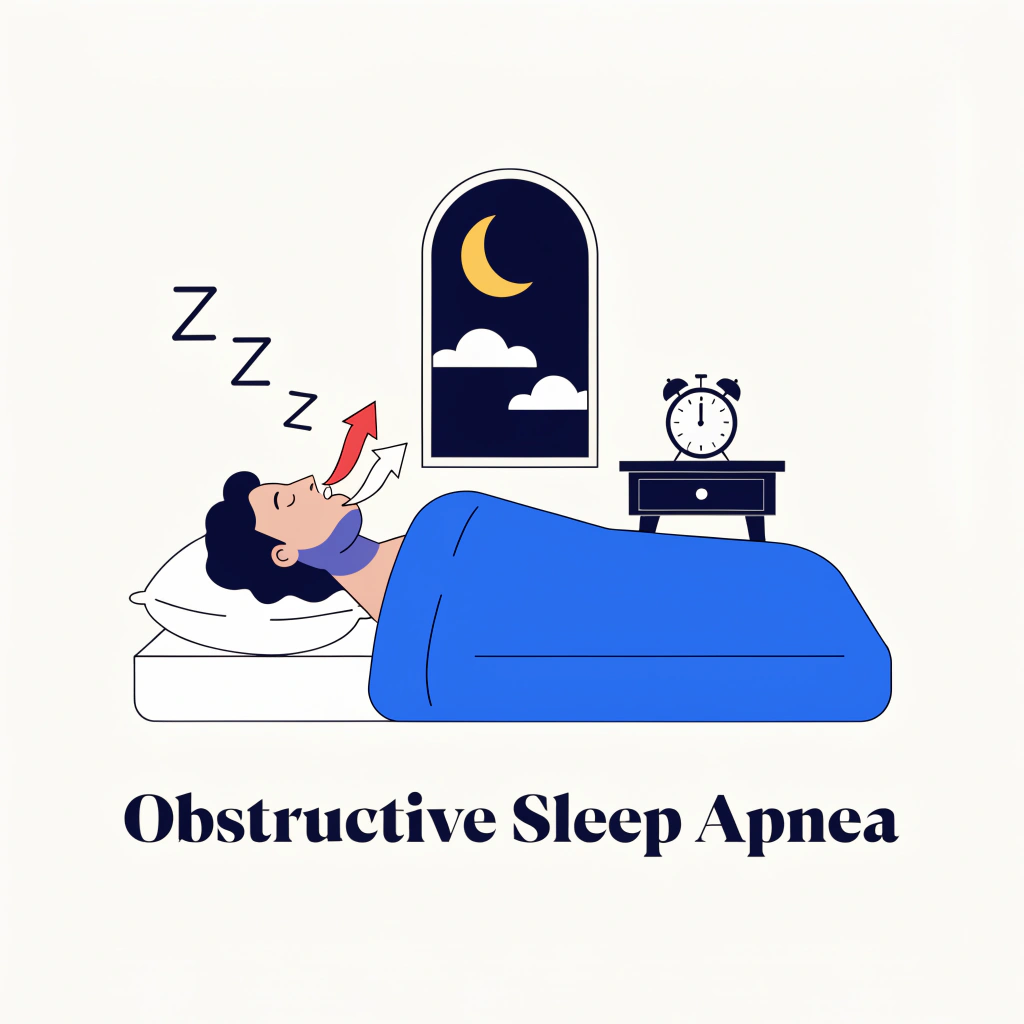
Obstructive sleep apnea is basically a condition where the upper airway repeatedly narrows or closes during sleep, interrupting normal breathing.
OSA is a common sleep-related breathing disorder. During sleep, the muscles supporting the upper airway relax. In some people, this allows the airway to become too narrow or temporarily blocked. Airflow is then reduced or stopped despite continued breathing effort.
The main symptoms of OSA include loud snoring, witnessed breathing pauses, gasping during sleep, excessive daytime sleepiness, morning headaches, and difficulty concentrating.
The main causes and risk factors include excess body weight, enlarged tonsils or other upper-airway structures, anatomical features that narrow the airway, ageing, and certain lifestyle or genetic factors.
Diagnosis usually involves a sleep assessment and, when appropriate, a sleep study that measures breathing and oxygen levels. Treatment depends on severity and may include lifestyle changes, positive airway pressure therapy, oral appliances, positional measures, or surgery in selected cases.
What Is Obstructive Sleep Apnea?
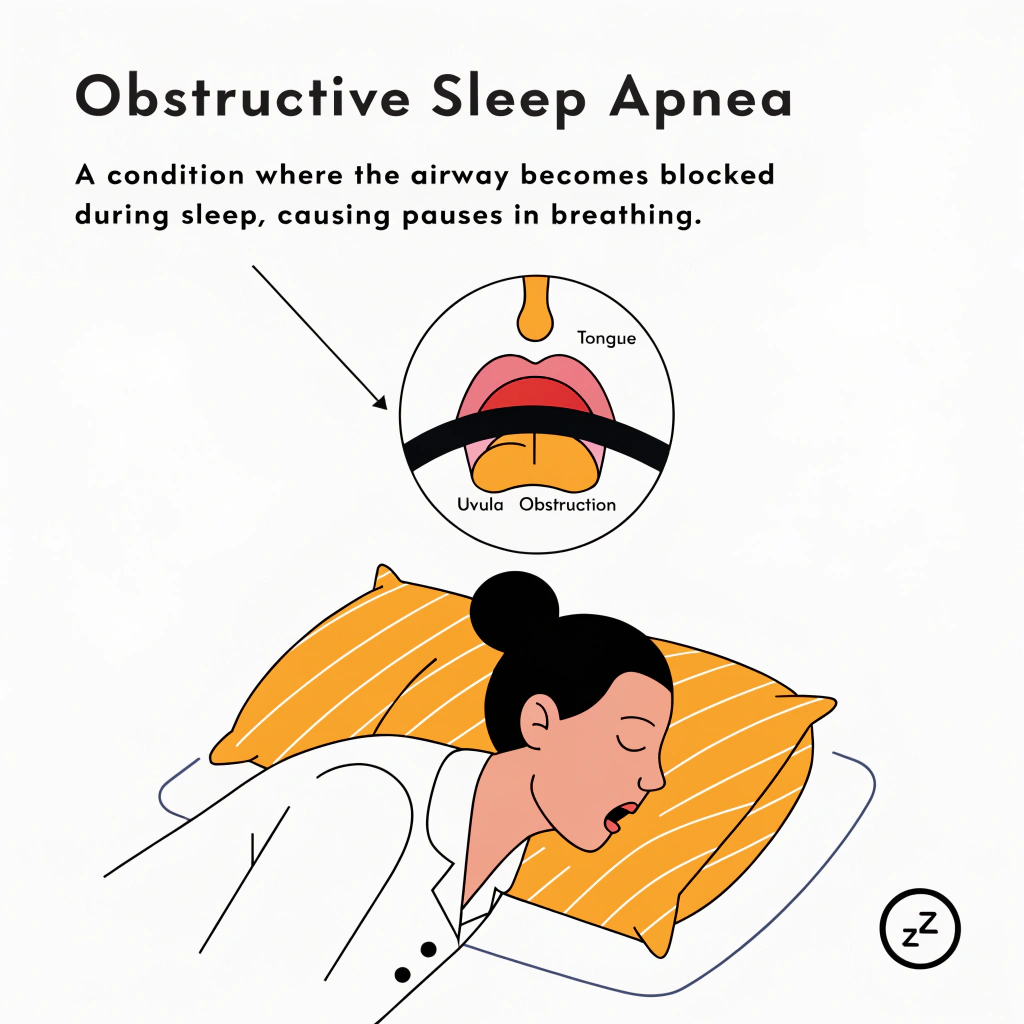
Obstructive sleep apnea is a sleep disorder in which repeated upper-airway narrowing or closure during sleep reduces or stops airflow, causing breathing interruptions and sleep disturbance.
It is called “obstructive” because the problem involves physical narrowing or closure of the upper airway. The brain may continue sending signals to breathe, and the chest and abdominal muscles can continue making breathing efforts, but air cannot move normally through the blocked airway.
The mechanism begins when the muscles and tissues around the throat relax during sleep. In susceptible people, this relaxation reduces the space inside the upper airway. The airway can partially narrow or completely collapse.
OSA affects breathing through repeated episodes called apnoeas and hypopnoeas. An apnoea involves a temporary complete or near-complete interruption of airflow. A hypopnoea involves a significant reduction in airflow.
Normal breathing keeps the upper airway sufficiently open for air to move freely between the nose or mouth and the lungs. With OSA, the airway becomes narrowed or blocked during sleep. Breathing effort can continue, but airflow is reduced or temporarily stopped.
These repeated breathing interruptions can reduce blood oxygen saturation and cause brief changes in brain activity that help restore normal breathing. A person may not remember these interruptions the next morning, but repeated episodes can fragment sleep and reduce sleep quality.
What Happens During Obstructive Sleep Apnea?
During an episode of obstructive sleep apnea, the throat muscles relax, the upper airway narrows or closes, airflow decreases or stops, and breathing resumes after an interruption.
The process generally occurs as follows:
- Throat muscles relax: During normal sleep, the muscles supporting the throat naturally become less active.
- Upper airway narrows: In people susceptible to OSA, this relaxation can reduce the space inside the upper airway.
- Airway obstruction develops: The soft tissues can move closer together, restricting the passage through which air normally travels.
- Airway collapse occurs: The airway may partially or completely collapse, depending on the severity of the obstruction.
- Airflow decreases: Partial obstruction reduces the amount of air reaching the lungs. This type of event is called a hypopnea.
- Airflow stops: Complete or near-complete obstruction can cause an apnea, producing a temporary breathing pause.
- Oxygen levels may decrease: Repeated reductions in airflow can lower blood oxygen levels. The degree of change varies between individuals.
- Oxygen saturation changes: Oxygen saturation can fall during longer or repeated breathing interruptions and usually rises again when normal breathing resumes.
- Breathing resumes: The brain responds to the breathing disturbance by increasing respiratory effort and briefly increasing arousal from sleep. The airway then reopens and airflow returns.
- Sleep disruption occurs: These repeated arousals may happen many times during the night. They can fragment sleep even when the person does not fully awaken or remember the events.
The cycle can repeat throughout the night. This combination of airway obstruction, breathing pauses, reduced airflow, oxygen changes, and sleep disruption is central to obstructive sleep apnoea.
What Are the Symptoms of Obstructive Sleep Apnea?
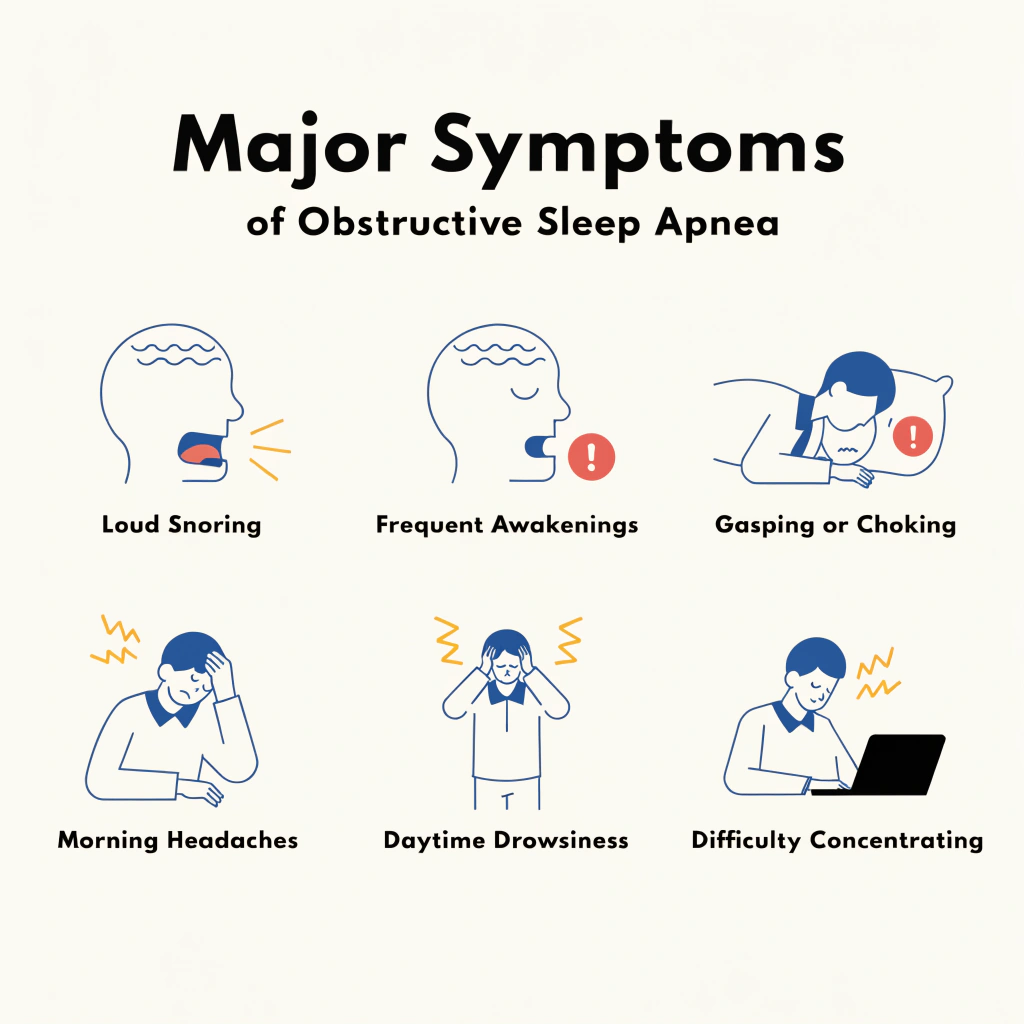
The symptoms of obstructive sleep apnea include loud snoring, gasping, choking, witnessed breathing pauses, restless sleep, dry mouth, sore throat, daytime sleepiness, fatigue, morning headaches, difficulty concentrating, and poor alertness.
The symptoms of obstructive sleep apnea are listed below.
- Loud snoring: Loud, persistent snoring is one of the most recognisable symptoms of OSA. It occurs when air moves through a narrowed upper airway during sleep.
- Gasping: A person may suddenly gasp for air after airflow has been reduced or interrupted. These episodes can occur repeatedly throughout the night.
- Choking: Choking or sudden choking-like sounds can occur when the airway becomes blocked during sleep. The person may briefly wake or partially arouse before breathing normally again.
- Witnessed breathing pauses: A bed partner or family member may notice periods when breathing appears to stop. These breathing pauses are an important sign of possible OSA.
- Restless sleep: OSA can cause frequent movements, position changes, or brief arousals during sleep. The person may not remember these interruptions the next morning.
- Dry mouth: Mouth breathing during sleep can leave the mouth unusually dry after waking. Nasal obstruction can make mouth breathing more likely.
- Sore throat: Repeated mouth breathing and airflow through the throat can cause irritation and dryness. Some people notice a sore or scratchy throat when they wake.
- Daytime sleepiness: Poorly restorative sleep can cause excessive sleepiness during the day. A person may feel an urge to sleep while reading, watching television, or sitting quietly.
- Fatigue: OSA can leave a person feeling physically or mentally exhausted. Fatigue may continue even after spending many hours in bed.
- Morning headaches: Some people with OSA experience headaches after waking. They may be related to sleep disruption and changes in breathing during the night.
- Difficulty concentrating: Interrupted sleep can make it harder to maintain attention or process information. Tasks requiring sustained mental effort may become more difficult.
- Poor alertness: Repeated sleep disruption can reduce daytime alertness and slow responses. This can be particularly concerning during activities requiring continuous attention.
Can Obstructive Sleep Apnea Occur in Children and Toddlers?
Yes, obstructive sleep apnea can occur in children and toddlers because their upper airway can become narrowed or blocked during sleep, interrupting normal airflow.
OSA in children occurs through a similar basic process to adult OSA. The muscles and tissues around the upper airway relax during sleep, and the airway can become too narrow or collapse. Breathing may then become reduced or temporarily stop before normal airflow returns.
However, symptoms in children can be different from normal sleep apnea symptoms commonly recognised in adults. Children may not always show prominent daytime sleepiness. Instead, they may have restless sleep, mouth breathing, bedwetting, behavioural changes, difficulty concentrating, or problems with school performance.
Common anatomical contributors include enlarged tonsils and adenoids, which can narrow the upper airway. Facial or jaw structure and nasal obstruction can also contribute in some children.
Pediatric OSA requires appropriate evaluation because sleep-disordered breathing can affect sleep quality, behaviour, learning, growth, and daytime functioning. Persistent loud snoring, breathing pauses, gasping, or other concerning sleep symptoms should be assessed by a qualified healthcare professional.
What’s the Difference Between Obstructive Sleep Apnea and Sleep Apnea?
The difference between obstructive sleep apnea and sleep apnea is that sleep apnea is a broad term for repeated breathing interruptions during sleep, while OSA is one specific type.
Sleep apnea refers generally to conditions involving repeated pauses or interruptions in breathing during sleep. The causes can differ between types and may involve airway blockage, reduced breathing signals from the brain, or a combination of both.
Obstructive sleep apnea (OSA) occurs when the upper airway becomes blocked or collapses during sleep, making it one specific form of sleep apnea. Breathing effort can continue while airflow is restricted or temporarily stopped.
Other forms include central sleep apnea, where breathing interruptions occur because the brain temporarily fails to send the appropriate signals to the muscles responsible for breathing.
People often use “sleep apnea” to mean OSA because obstructive sleep apnea is the most common type. However, the terms are not technically interchangeable because the causes and underlying mechanisms of different sleep apnea types can vary.
What are the Causes of Obstructive Sleep Apnea?
The causes of obstructive sleep apnea include upper-airway narrowing, throat muscle relaxation, tongue position, enlarged tonsils, neck size, and anatomical features that make airway collapse more likely.
The causes of obstructive sleep apnea are listed below.
- Upper airway narrowing: Narrowing of the upper airway reduces the space available for airflow during sleep. This makes obstruction more likely when the surrounding muscles relax.
- Throat muscles: The throat muscles normally help keep the airway open. Excessive relaxation during sleep can allow the airway to narrow or close.
- Muscle relaxation: Muscle relaxation is a normal part of sleep, but greater relaxation around the throat can contribute to airway obstruction in susceptible people.
- Tongue: The tongue can move backwards during sleep and reduce the space inside the upper airway. This can contribute to repeated airway obstruction.
- Tonsils: Enlarged tonsils can physically reduce the space inside the throat. They are an important cause of OSA in some children.
- Neck size: A larger neck can be associated with a narrower upper airway or increased soft tissue around the throat. This can increase the likelihood of airway obstruction during sleep.
- Airway anatomy: The natural structure and shape of the jaw, throat, tongue, and other tissues can influence how easily the airway becomes narrowed.
- Airway narrowing: Structural or tissue-related narrowing can restrict airflow, particularly when throat muscles relax during sleep.
- Airway collapse: The upper airway may partially or completely collapse when the muscles supporting it relax. Repeated collapse is a central feature of obstructive sleep apnea.
- Anatomical risk factor: Craniofacial structure, enlarged soft tissues, and other anatomical characteristics can increase the likelihood of upper-airway obstruction.
Who Is at Risk for Obstructive Sleep Apnea?
The major risk factors for obstructive sleep apnea are listed below.
- Excess weight: Excess body tissue around the neck and upper airway can increase the likelihood of airway narrowing during sleep.
- Obesity: Obesity is a major risk factor for OSA because additional tissue around the upper airway can contribute to obstruction.
- Large neck circumference: A larger neck circumference can indicate more tissue surrounding the airway, increasing the likelihood of airway narrowing.
- Age: The risk of OSA generally increases with age, although it can occur in younger adults and children.
- Aging: Age-related changes in muscle tone and body tissues can increase susceptibility to upper-airway obstruction.
- Alcohol: Alcohol can relax muscles around the upper airway and may worsen airway obstruction during sleep.
- Smoking: Smoking can irritate and inflame the upper airway, potentially increasing swelling and narrowing.
- Enlarged tonsils: Enlarged tonsils can reduce the available space in the throat and are particularly relevant to OSA in children.
- Anatomical factors: Jaw structure, tongue size, airway shape, and other physical characteristics can affect how easily the airway becomes blocked.
If several risk factors are present, checking with a doctor can help determine whether further assessment for OSA is appropriate.
When Should You See a Doctor for Obstructive Sleep Apnea?
You should see a doctor if you have persistent loud snoring, witnessed breathing pauses, gasping or choking during sleep, excessive daytime sleepiness, or concerning symptoms in children.
A Doctor can review symptoms, medical history, and risk factors and determine whether further assessment is needed. Primary care is often the first point of contact.
A doctor may refer someone to a Sleep specialist, Sleep clinic, or specialist service within Sleep medicine. The assessment may include a Sleep evaluation and, when appropriate, a Sleep study.
A sleep study can record breathing patterns, airflow, oxygen levels, heart rate, and other measurements during sleep. The results can help establish or exclude an OSA diagnosis and distinguish OSA from other sleep-related breathing disorders.
How Is Obstructive Sleep Apnea Diagnosed?
Obstructive sleep apnea is diagnosed through a clinical assessment and sleep testing that evaluates breathing, airflow, oxygen levels, and other signs of disrupted sleep.
The methods used to diagnose obstructive sleep apnea are listed below.
- Medical assessment: A doctor reviews symptoms, sleep patterns, medical history, risk factors, and information from a bed partner when available.
- Sleep study: A sleep study monitors breathing and other body functions during sleep to support an accurate OSA diagnosis.
- Sleep apnea test: A sleep apnea test measures specific breathing-related signals to identify repeated interruptions or reductions in breathing.
- Polysomnography: Polysomnography is a detailed overnight sleep test that records airflow, breathing effort, oxygen saturation, heart rate, brain activity, and body movements.
- Home sleep apnea test: A home sleep apnea test allows selected adults to record breathing, airflow, oxygen saturation, and other measurements while sleeping at home.
- Sleep specialist: A sleep specialist may interpret the results and assess whether the findings support OSA or another sleep disorder.
- Airflow monitoring: Sensors measure airflow through the nose and mouth to identify periods when airflow decreases or stops.
- Breathing assessment: The test records breathing patterns and effort to identify repeated obstructive breathing events during sleep.
- Oxygen saturation: A pulse oximeter measures blood oxygen saturation and can identify drops associated with breathing interruptions.
- Heart rate monitoring: Changes in heart rate during sleep can provide additional information about physiological responses to breathing disturbances.
- Apnea-Hypopnea Index (AHI): The AHI measures the average number of apnoeas and hypopnoeas occurring per hour of sleep and helps determine OSA severity.
An accurate diagnosis is important because untreated OSA can become a serious issue, particularly when symptoms are frequent or significantly affect daytime functioning.
Is Obstructive Sleep Apnea Serious?
Obstructive sleep apnea can be serious because repeated airway obstruction can interrupt breathing, fragment sleep, reduce oxygen levels, and impair daytime alertness.
Each obstructive event can temporarily reduce or stop airflow. The body responds by increasing breathing effort and briefly arousing the brain enough to reopen the airway. These events can happen repeatedly throughout the night.
Sleep fragmentation is important because repeated brief arousals can prevent normal progression through restorative stages of sleep. A person may not fully wake up or remember these episodes, but their sleep can still become disrupted.
Oxygen desaturation can also occur when airflow is substantially reduced or stopped. The amount and duration of oxygen reduction vary according to the individual and the severity of the disorder.
During the day, OSA may cause excessive sleepiness, fatigue, impaired concentration, slower reactions, and reduced alertness. These effects can interfere with work, learning, driving, and other activities that require sustained attention.
OSA Severity
OSA severity is commonly described using the Apnea-Hypopnea Index (AHI):
- Mild OSA: AHI of 5 to 14 events per hour.
- Moderate OSA: AHI of 15 to 29 events per hour.
- Severe OSA: AHI of 30 or more events per hour.
The AHI is useful for describing the frequency of breathing events, but it does not capture every aspect of how OSA affects an individual.
Over time, untreated OSA has been associated with health problems including high blood pressure, cardiovascular disease, stroke, and metabolic conditions. The strength of these associations varies between conditions and individuals.
For this reason, appropriate diagnosis and treatment are important. A healthcare professional can assess symptoms, determine OSA severity, and identify an appropriate treatment approach.
What are The Treatments of Obstructive Sleep Apnea?
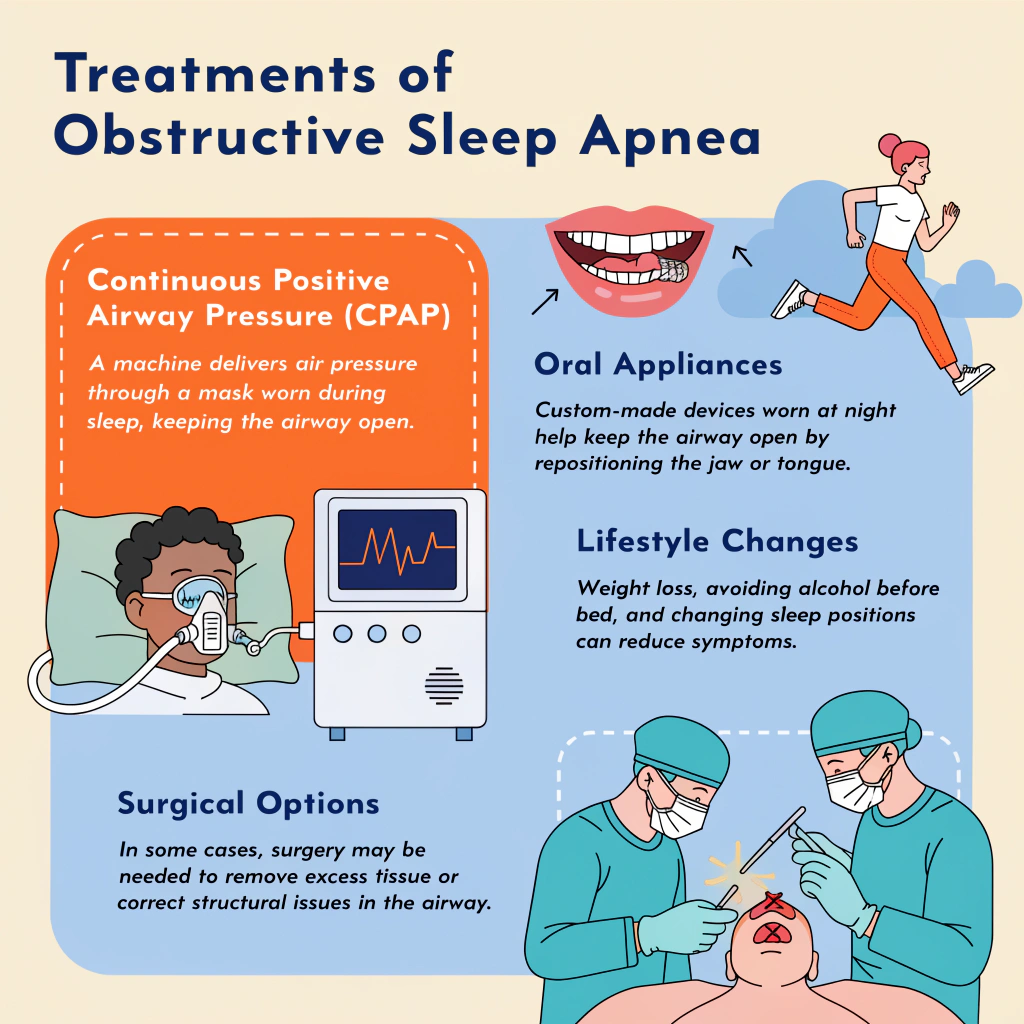
The treatments of obstructive sleep apnea involve improving airway function during sleep, reducing contributing risk factors, maintaining airflow, and using medical devices or procedures when appropriate.
Treatment depends on the person’s symptoms, OSA severity, underlying causes, anatomy, and overall health. Common approaches include positive airway pressure therapy, oral appliances, positional therapy, weight management where appropriate, and selected surgical procedures.
The main treatments for obstructive sleep apnea include:
- Continuous positive airway pressure (CPAP): CPAP delivers a continuous stream of air through a mask to help keep the upper airway open during sleep.
- Auto-adjusting positive airway pressure (APAP): APAP automatically adjusts airway pressure within a prescribed range according to changes in breathing during sleep.
- Bilevel positive airway pressure (BiPAP): BiPAP provides different pressure levels during inhalation and exhalation and may be used in selected circumstances.
- Oral appliance therapy: A specially fitted oral appliance can reposition the jaw or tongue to help maintain an open upper airway during sleep.
- Positional therapy: Positional therapy encourages sleeping positions that reduce airway obstruction, particularly when breathing problems are worse while lying on the back.
- Weight management: For people with excess weight, weight reduction can decrease the severity of OSA and may improve symptoms.
- Exercise: Regular physical activity can support overall health and may provide benefits alongside other OSA treatments.
- Tonsil and adenoid surgery: Removing enlarged tonsils or adenoids can improve airway space and is an important treatment option for some children with OSA.
- Upper-airway surgery: Selected surgical procedures can modify structures contributing to airway obstruction when other treatments are unsuitable or ineffective.
- Hypoglossal nerve stimulation: An implanted device can stimulate the nerve controlling the tongue muscles during sleep, helping prevent the tongue from obstructing the airway in carefully selected adults.
- Nasal obstruction treatment: Managing nasal blockage may improve nasal breathing and can make positive airway pressure therapy easier to use.
Treatment should be selected after appropriate assessment rather than based only on the AHI. A sleep specialist or other qualified healthcare professional can determine which approach is appropriate for the individual.
How Does Modafinil Help With Obstructive Sleep Apnea?
Modafinil helps with shift work sleep disorder by promoting wakefulness and reducing excessive sleepiness during scheduled working hours. It is important to distinguish this from its role in obstructive sleep apnoea.
Modafinil affects brain chemicals involved in regulating the sleep–wake cycle. Its effects on neurotransmitter systems, including dopamine and other wake-promoting pathways, increase alertness.
For shift work sleep disorder, modafinil is typically taken orally about one hour before the scheduled night shift, when prescribed for this indication. It can improve alertness, reduce attention lapses, and support focus during overnight working hours.
However, modafinil is not a treatment for the airway obstruction that causes OSA. In the UK, its licensed use is restricted to narcolepsy. The MHRA states that modafinil should no longer be used for excessive sleepiness associated with obstructive sleep apnoea or chronic shift work sleep disorder.
Is Modafinil a Prescription-Only Medicine in the UK?
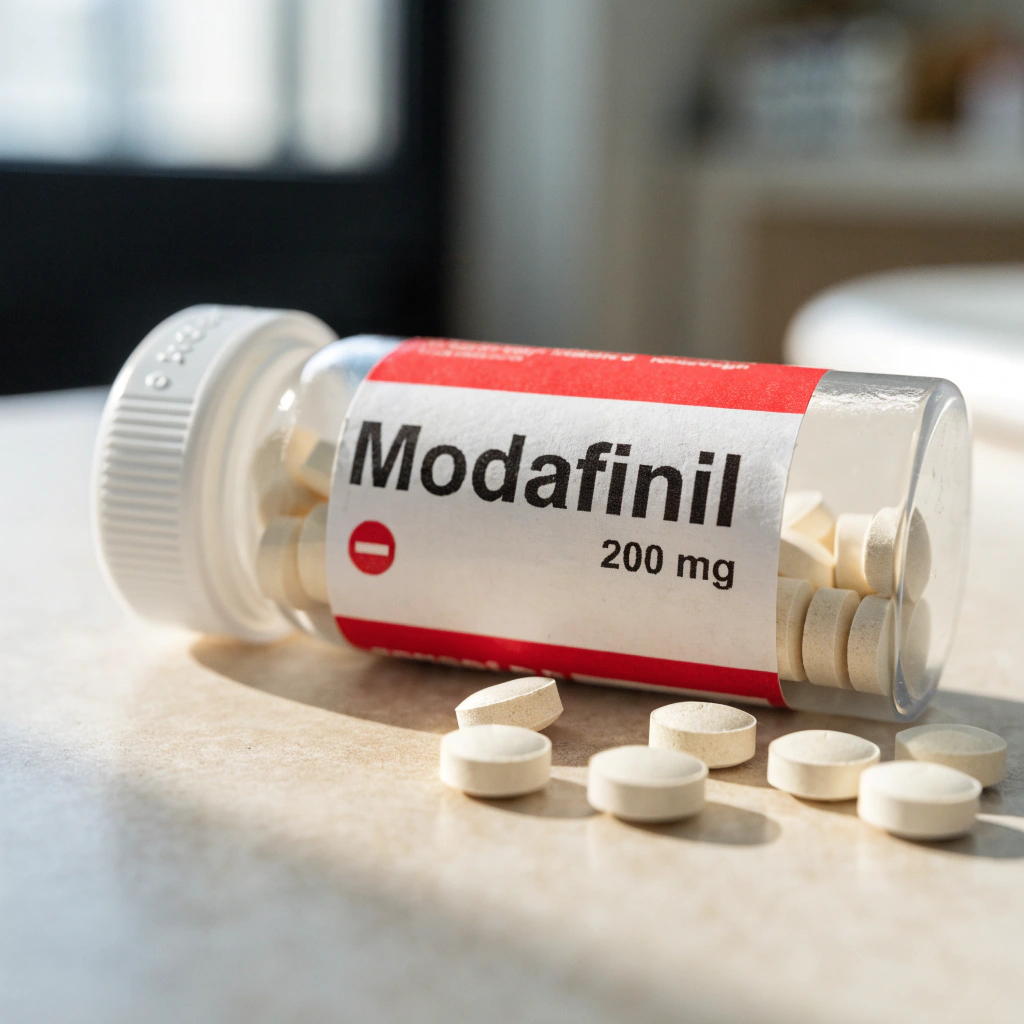
Yes, Modafinil is a prescription-only medicine in the UK, meaning that it can only be legally supplied when prescribed by an authorised prescriber and dispensed through the appropriate legal channels.
Modafinil is classified as a prescription-only medicine (POM) and is subject to UK medicines regulations. Under the MHRA’s classification system, POMs require a valid prescription from an authorised healthcare professional.
Modafinil cannot legally be purchased over the counter without a prescription. The MHRA also warns that supplying prescription-only medicines without a valid prescription is unlawful.
Obtaining or using modafinil should therefore follow the applicable UK prescription and medical requirements. A healthcare professional should assess whether the medicine is appropriate for the diagnosed condition.
How to Obtain Modafinil With a Prescription in the UK for Obstructive Sleep Apnea?
The way to obtain Modafinil with a prescription in the UK for OSA is to consult a healthcare professional and undergo an appropriate assessment of the condition and its treatment.
Modafinil is a Prescription-Only Medicine (POM) in the UK and cannot legally be supplied without a valid prescription.
A healthcare professional may assess the symptoms and causes of OSA, review medical history, consider existing treatments, and confirm whether a proper diagnosis has been established.
However, Modafinil in UK is not licensed to treat excessive sleepiness caused by obstructive sleep apnoea. The MHRA states that its licensed indication is narcolepsy, following the European safety review that removed OSA and shift work sleep disorder indications.
Therefore, someone with OSA should not assume that modafinil is an appropriate or routinely available treatment for OSA-related sleepiness. The underlying OSA should be properly diagnosed and treated according to current clinical guidance.
If a medicine is prescribed lawfully for an appropriate indication, it can be obtained through a registered pharmacy using the valid prescription. A prescription does not mean that every requested medicine will be considered suitable; the prescriber must assess the individual clinical circumstances.
This article was clinically reviewed on 18 Aug 2026.